Denis Makrushin
  • Blog
  • Research
Denis Makrushin
  • Academynew
  • About
Blog

Securing the Agentic Development Lifecycle

by Denis Makrushin July 29, 2026

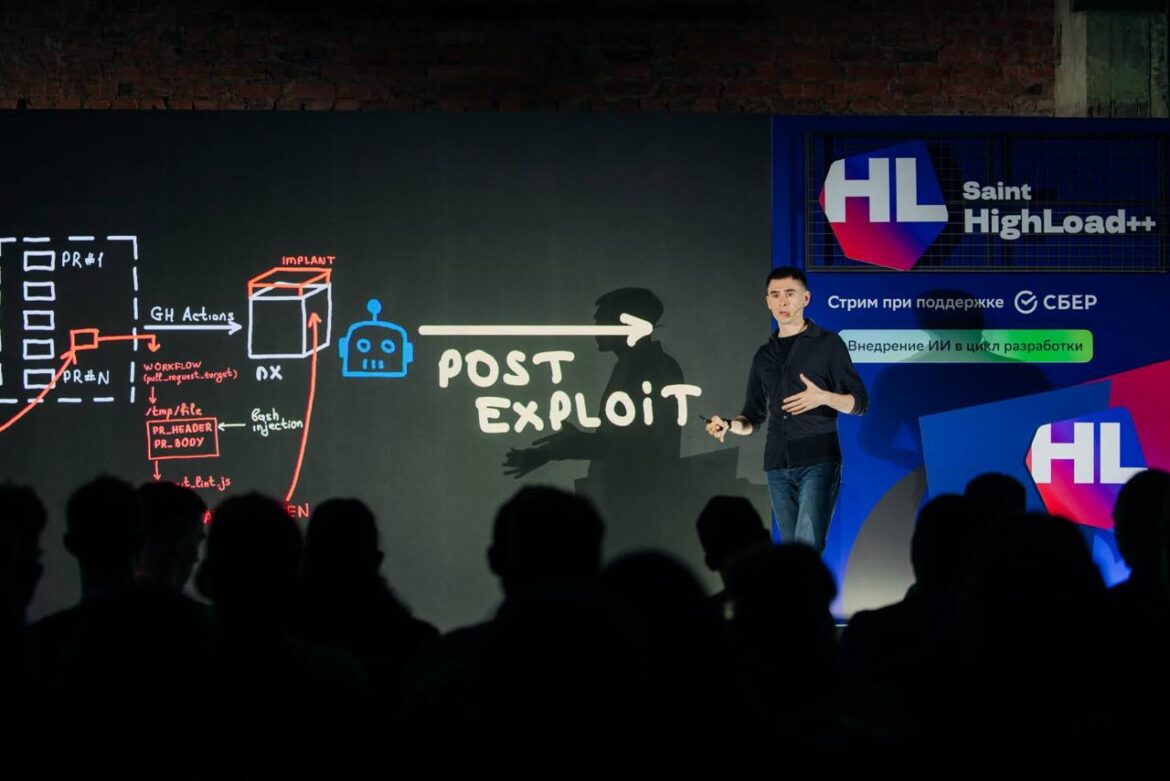
Our recent Saint Highload talk was the culmination of the AI-agent security research we ran while digging into secure agentic development. Audience feedback pushed it to the top of the ranking, a signal the findings land with engineers already wiring agents into their pipelines.

Takeaways and key focus on ADLC security now:

  • Observability is the baseline. Also, we observed events on our own honeypot, a fake MCP server left open. Looked at stats, saw attackers probing AI-infra components. Looks like cyber deception gets a second life in agentic world.
  • AI red teaming comes next, and it has to cover every component. The whole variety of attack prompts reduces to a starter corpus of queries, then let tooling escalate and adapt them to context. Continuously.
  • MCP server is the agent’s hands that define how it changes external systems. That makes monitoring tool calls a priority of its own. And when agent doesn’t know what it’s doing, slap its hands and revoke its access.

Slides and tools are in the repo. Should probably teach the agent to convert slide decks into skills.
July 29, 2026
TwitterLinkedinVKTelegram
Blog

AI-Powered Static Analysis: How LLMs Find Vulnerabilities in Code and Where Their Limits Lie

by Denis Makrushin June 3, 2026

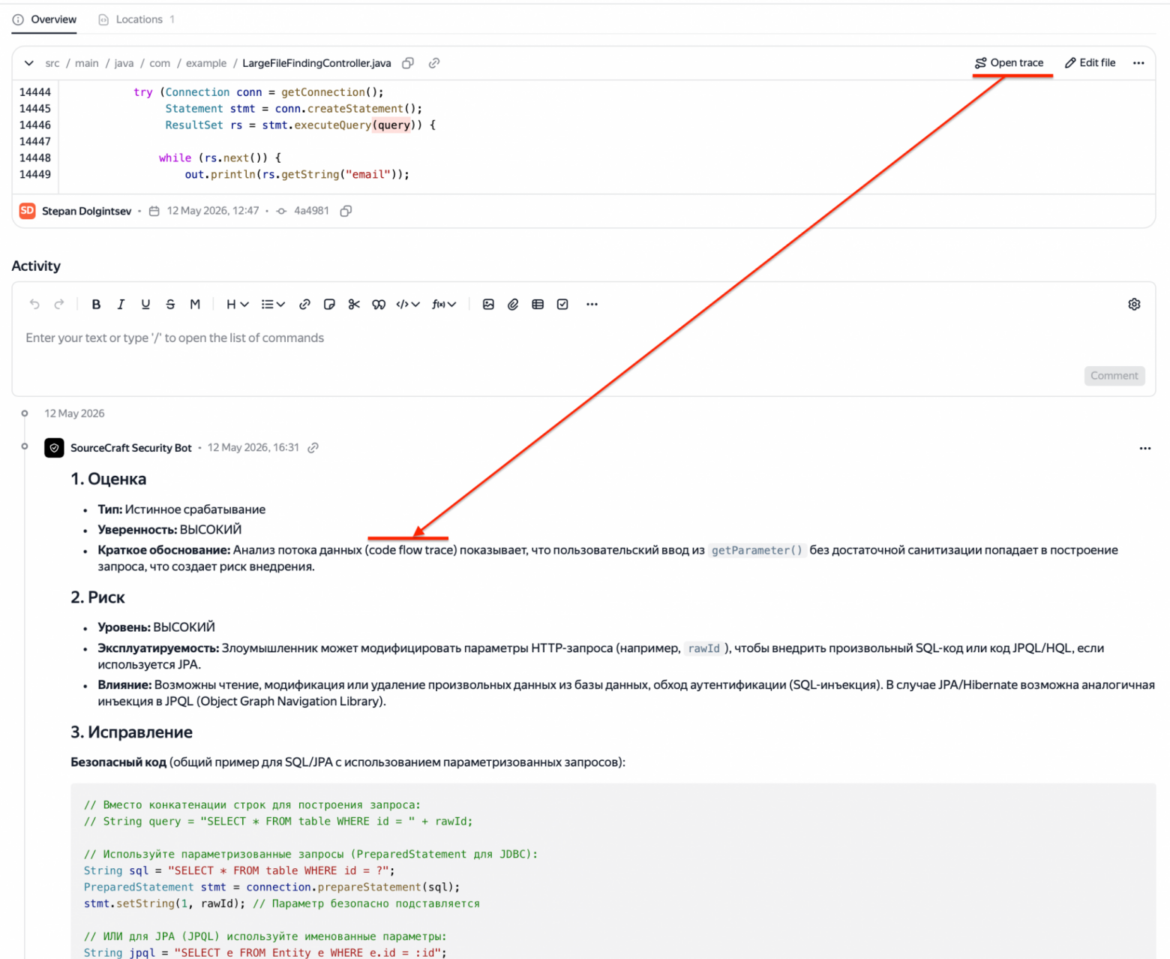
The AppSec industry has spent decades in a hard conflict between coverage and precision in threat detection. Classic SAST‑tools generate noise that takes more time to sort through manually than actual threat work. The release of Claude Code Security by Anthropic shook the cybersecurity industry: traditional vendor capitalizations dropped, and the CEO of major player Snyk declared the company’s future must be defined by an AI‑-centric leader.

The market has redefined what makes a security tool valuable. Previously, value was measured in supported rules and languages. Today the formula has changed: what matters is the chain — find, explain, fix. This is where LLMs enter the stage — not as a replacement for classic analyzers, but as an additional interpretation layer. This is how a new category forms: AI SAST.

This article covers how LLMs work with code, why “feeding a repo into a prompt” is a bad idea, which engineering metrics actually matter, and how we research and implement autonomous defect discovery and remediation capabilities for SourceCraft Security products.

Continue Reading
June 3, 2026
TwitterLinkedinVKTelegram
Blog

Статический анализ, заряженный ИИ: как LLM ищут уязвимости в коде и где их границы

by Denis Makrushin May 26, 2026

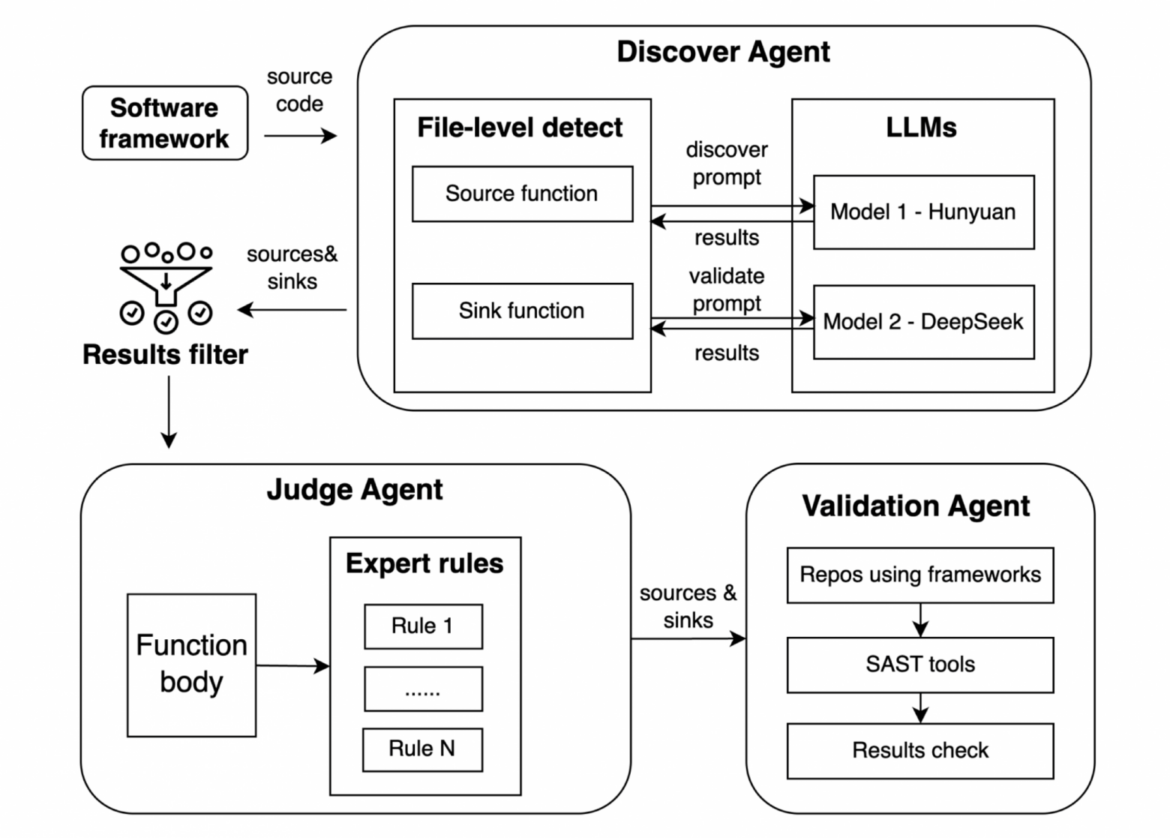
Индустрия AppSec десятилетиями жила в жёстком конфликте между полнотой и точностью поиска угроз. Классические SAST‑инструменты генерируют шум, на ручной разбор которого уходит больше времени, чем на реальную работу с угрозами. Релиз Claude Code Security от Anthropic заметно встряхнул индустрию кибербезопасности: капитализация традиционных вендоров просела, а генеральный директор крупного игрока Snyk заявил, что будущее компании теперь должен определять ИИ‑центричный лидер.

Рынок переопределил ценность инструмента безопасности. Раньше она измерялась количеством поддерживаемых правил и языков. Сегодня формула изменилась: важна  цепочка “нашёл, объяснил, помог исправить”. Здесь на сцену выходят LLM  — не как замена классическому анализатору, а как дополнительный слой интерпретации. Так формируется новая категория — AI SAST.

В этой статье разберём, как именно LLM работают с кодом, почему «скормить репозиторий в промт» — плохая идея, какие инженерные метрики действительно важны и как мы исследуем и внедряем новые возможности автономного поиска и исправления дефектов в коде для добавления в продукты SourceCraft Security.

Continue Reading
May 26, 2026
TwitterLinkedinVKTelegram
Load More Posts
  • Twitter
  • Linkedin
  • Vk
  • Telegram

@ 2009. Denis Makrushin


Back To Top
Denis Makrushin
  • Blog
  • Research
Denis Makrushin
  • Academynew
  • About